
Best Sourdough Dinner Roll Recipe
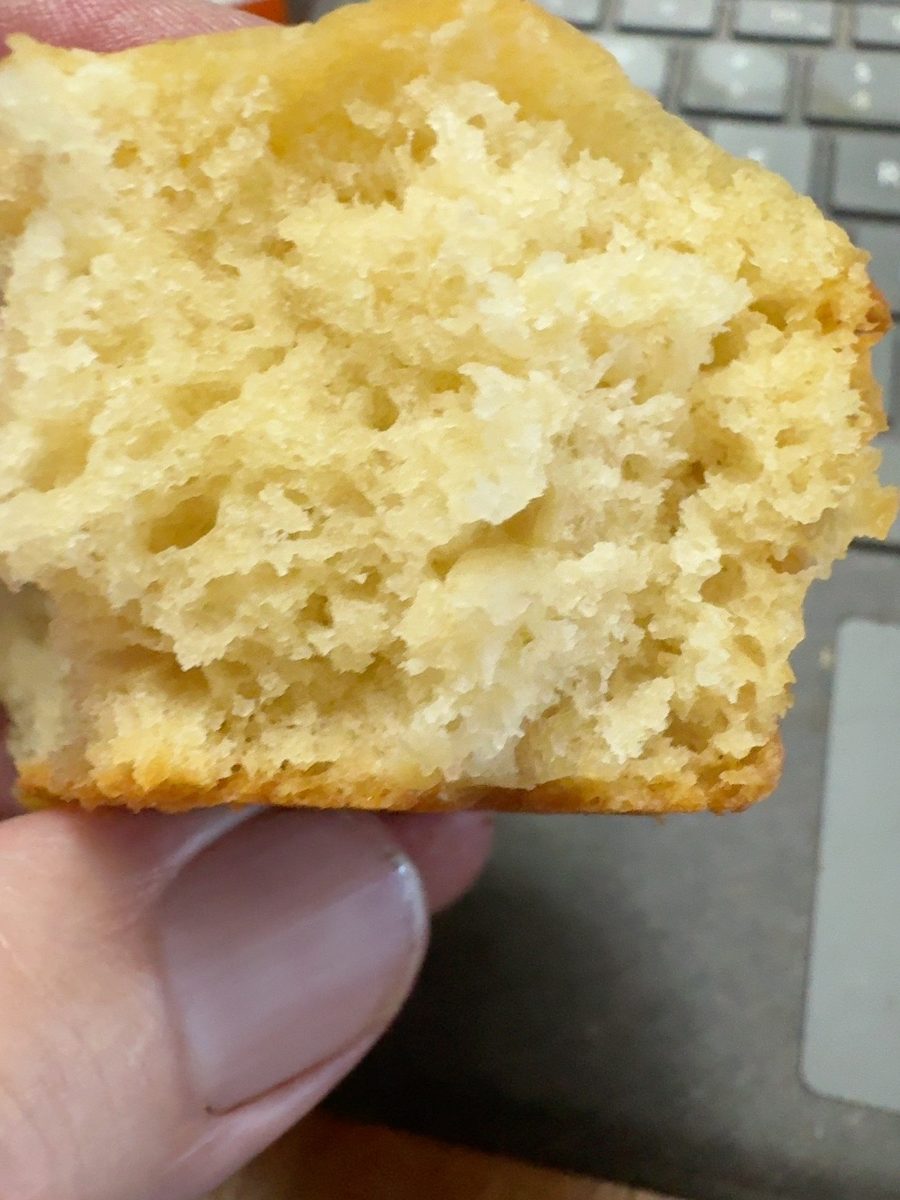
Buttery, fluffy and golden, with a wonderfully crisp crust
Make soft, fluffy sourdough dinner rolls with a rich buttery flavor, a golden, slightly crispy crust and a maple-almond butter glaze.
These rolls combine sourdough flavor, a dependable commercial-yeast rise, tangzhong (a cooked flour-and-milk mixture), potato flour, and plenty of butter. The dough is prepared one day and baked fresh the next.
The overnight preparation makes these rolls ideal for family dinners, holidays and special occasions. Follow the illustrated instructions below to prepare, shape, proof and bake 16 homemade dinner rolls.
Prefer a printable recipe?
View the complete illustrated recipe in our online flipbook for easy reading and printing.
View & Print Recipe Book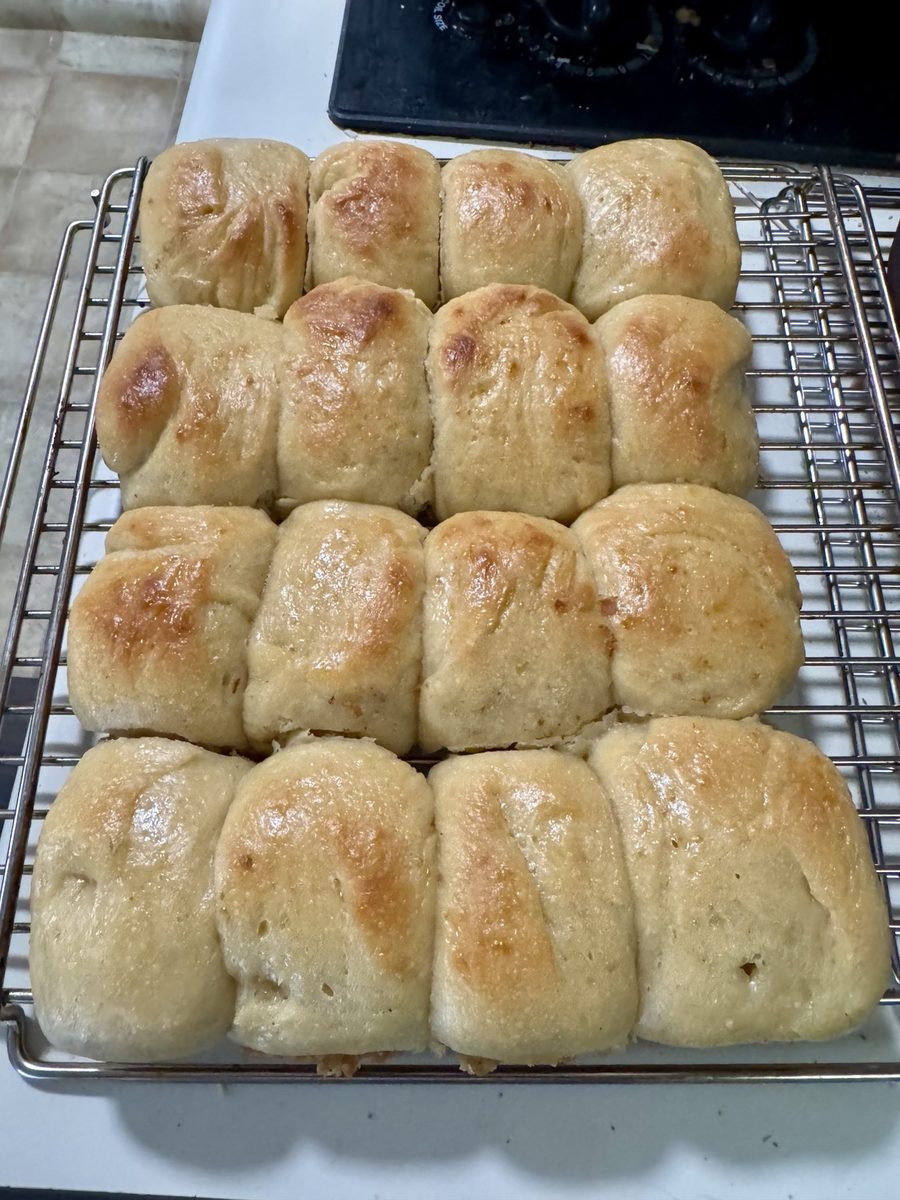
*Allow approximately five hours for the final rise at 90°F. Proofing time varies with dough temperature and yeast activity.
Why this sourdough dinner roll recipe works
Sourdough starter contributes flavor, while instant yeast provides a dependable rise. Tangzhong, potato flour, butter and egg yolk help create a soft, tender interior.
| Ingredient or technique | Purpose |
|---|---|
| Sourdough starter | Contributes fermented flavor. It does not have to provide all the leavening. |
| Instant yeast | Provides a dependable rise in a butter-rich dough. |
| Tangzhong | Heating a small portion of flour with milk gelatinizes starch, allowing it to bind more water and helping keep the crumb soft. |
| Potato flour | Absorbs moisture and helps create tenderness. A small amount also helps adjust a dough that is too wet. |
| Butter and egg yolk | Add richness. Delaying butter until after the first knead allows the wheat proteins to develop a gluten network first. |
| Milk and maple syrup | Contribute flavor. Milk solids and sugars help the crust brown. |
| Overnight refrigeration | Allows flavor development and divides the work across two days. |
| Lightly oiled parchment | Helps the rolls release from the pan while allowing the bottom and sides to brown. |
Recipe ingredients
Ingredients for 16 rolls
Use a single 10 × 13-inch baking pan. All measurements are U.S. customary. Spoon flour into the measuring cup and level it without packing.
Main dough: dry ingredients
- 2½ cups unbleached all-purpose flour
- 2 tablespoons potato flour, plus 1 tablespoon reserved for adjustments (not potato starch)
- 2 tablespoons nonfat dry milk
- 1 tablespoon table salt
- 1½ teaspoons instant yeast
Main dough: wet ingredients
- ½ cup ripe sourdough starter
- All of the cooled tangzhong
- 2 tablespoons pure maple syrup
- 1 large egg yolk
- 6 tablespoons lukewarm water, plus 1 tablespoon reserved for adjustments
Add during second knead
- 6 tablespoons unsalted butter, softened
Tangzhong
- ½ cup whole milk
- 1 teaspoon almond extract
- 3 tablespoons all-purpose flour, separate from the main dough flour
Pan & egg wash
- Baking parchment rated for 350°F
- About 1 teaspoon olive oil
- 1 large whole egg
- 1 tablespoon whole milk
Maple-almond finishing butter
- 4 tablespoons unsalted butter
- 2 teaspoons pure maple syrup
- ½ teaspoon almond extract
Use pure maple syrup, such as plain Runamok maple syrup.
Adjust dough consistency as needed: Begin with 6 tablespoons water and 2 tablespoons potato flour. Reserve the remaining water to adjust the dough during the first knead, and the remaining potato flour to adjust the dough after the butter is incorporated.
Day one · Mix, shape and refrigerate
Preparing the dough
Use a bread machine on its Dough setting or a stand mixer fitted with a dough hook. Follow the same ingredient order for either method.
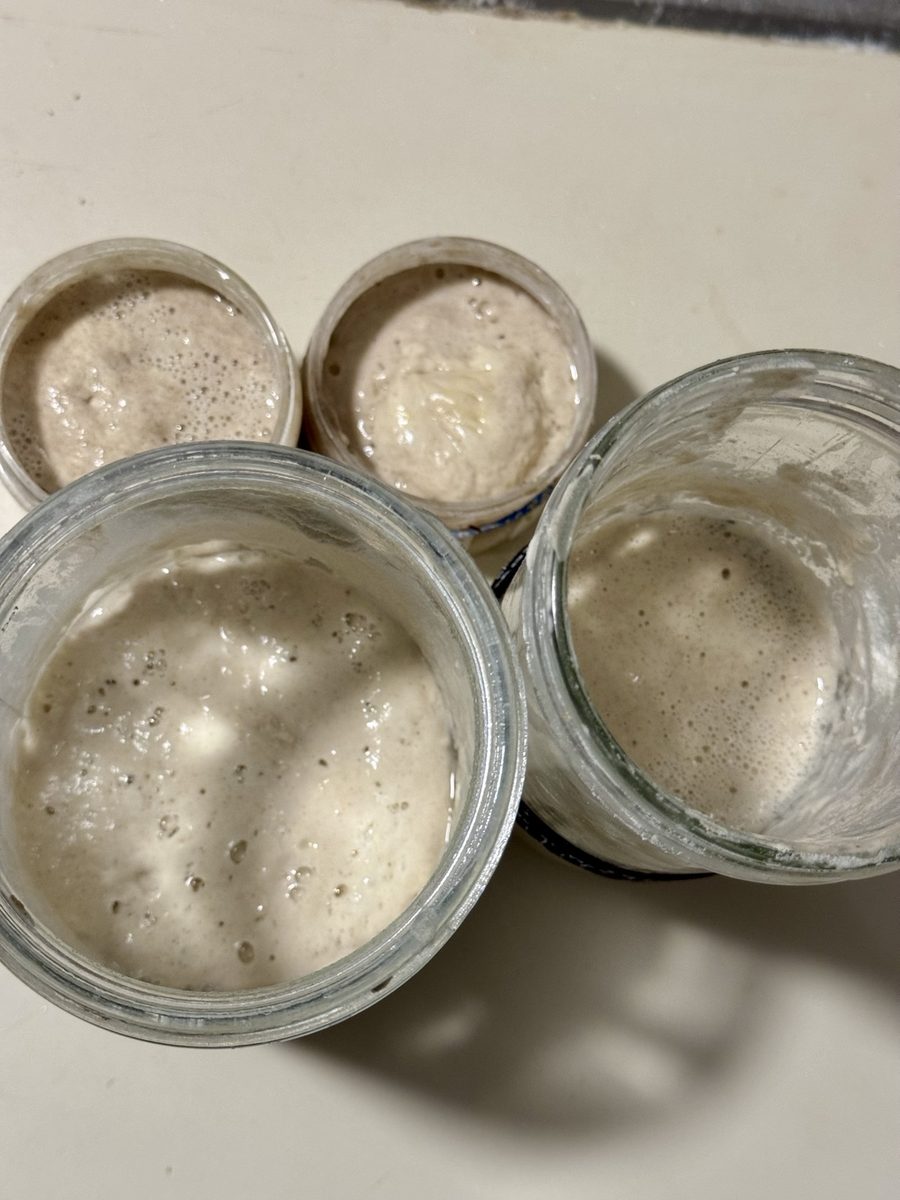
1Feed the sourdough starter
Allow 4 hours for starter fermentation.
Use your usual feeding proportions, or prepare the starter with:
- 2 tablespoons sourdough starter
- 3 tablespoons water
- 6 tablespoons all-purpose flour
- Combine the starter, water and flour in the bread machine pan.
- Run the full 90-minute Dough cycle.
- Leave covered in the pan for another 2½ hours.
Stand mixer: Mix the starter, water and flour until smooth. Cover and allow 4 hours for fermentation in a warm place.
Measure ½ cup of the refreshed, bubbly starter for the main dough.
2Prepare the tangzhong
- ½ cup cold whole milk
- 1 teaspoon almond extract
- 3 tablespoons all-purpose flour
- Pour the cold milk into a small saucepan.
- Stir in the almond extract.
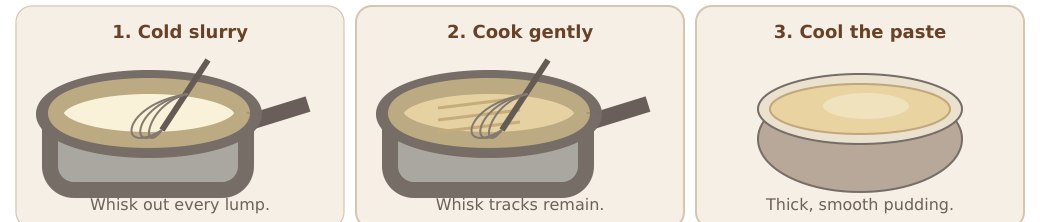
- Whisk in the flour, one tablespoon at a time, until smooth.
- Heat over medium-low heat, stirring continuously until thick like pudding (about 149°F).
- Remove from the heat, cover and allow to cool.
3Combine the dough ingredients
Soften 6 tablespoons unsalted butter at room temperature. Set aside for Step 4.
Place ½ cup refreshed sourdough starter in the bread machine pan or mixer bowl.
Add the dry ingredients
- 2½ cups unbleached all-purpose flour
- 2 tablespoons potato flour
- 2 tablespoons nonfat dry milk
- 1 tablespoon table salt
- 1½ teaspoons instant yeast
Add the wet ingredients
Start Dough mode on the bread machine, or start the stand mixer on low speed. Add the following individually as the dough mixes:
- All of the cooled tangzhong
- 2 tablespoons pure maple syrup
- 1 large egg yolk
- 6 tablespoons lukewarm water
Do not add the butter yet. Reserve 1 tablespoon water and 1 tablespoon potato flour for dough adjustments.
4Knead the dough and add the butter
Bread machine
- Allow the first kneading phase to finish (about 15–20 minutes).
- If the dough is too stiff, add reserved water 1 teaspoon at a time.
- Restart Dough mode before the resting phase begins.
- Gradually add 6 tablespoons softened unsalted butter during the second knead.
- Allow the full second Dough cycle to finish.
Stand mixer
- Knead with the dough hook at the recommended dough speed until the dough begins to develop elasticity.
- If too stiff, add reserved water 1 teaspoon at a time.
- Gradually incorporate 6 tablespoons softened unsalted butter.
- Continue kneading until the dough is elastic and the butter is fully incorporated.
If the dough is too wet after adding butter, add reserved potato flour a little at a time (up to 1 tablespoon). The dough should be soft and slightly tacky.
5Allow the dough to rise
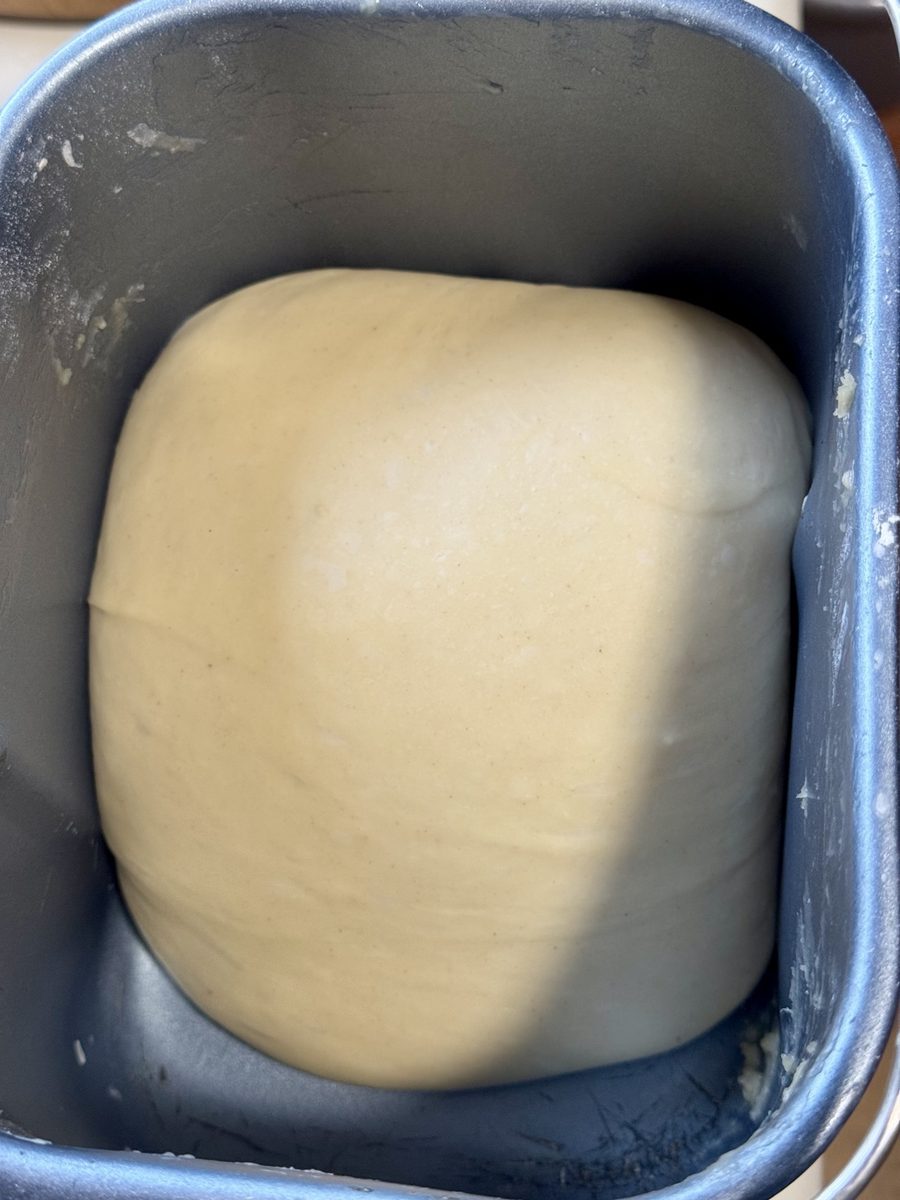
Allow approximately 4 hours in total from the start of mixing in Step 3 for kneading, gluten development and the first rise.
- Leave the dough covered in the bread machine after the second Dough cycle finishes. If using a stand mixer, cover the bowl and place it in a warm location.
- Let the dough expand until noticeably puffy, aerated and smooth.
- Shape the rolls once the dough has risen sufficiently.
6Shape and refrigerate the rolls
- Line a 10 × 13-inch pan with parchment paper. Keep the paper inside the pan.
- Brush the parchment with about 1 teaspoon olive oil.
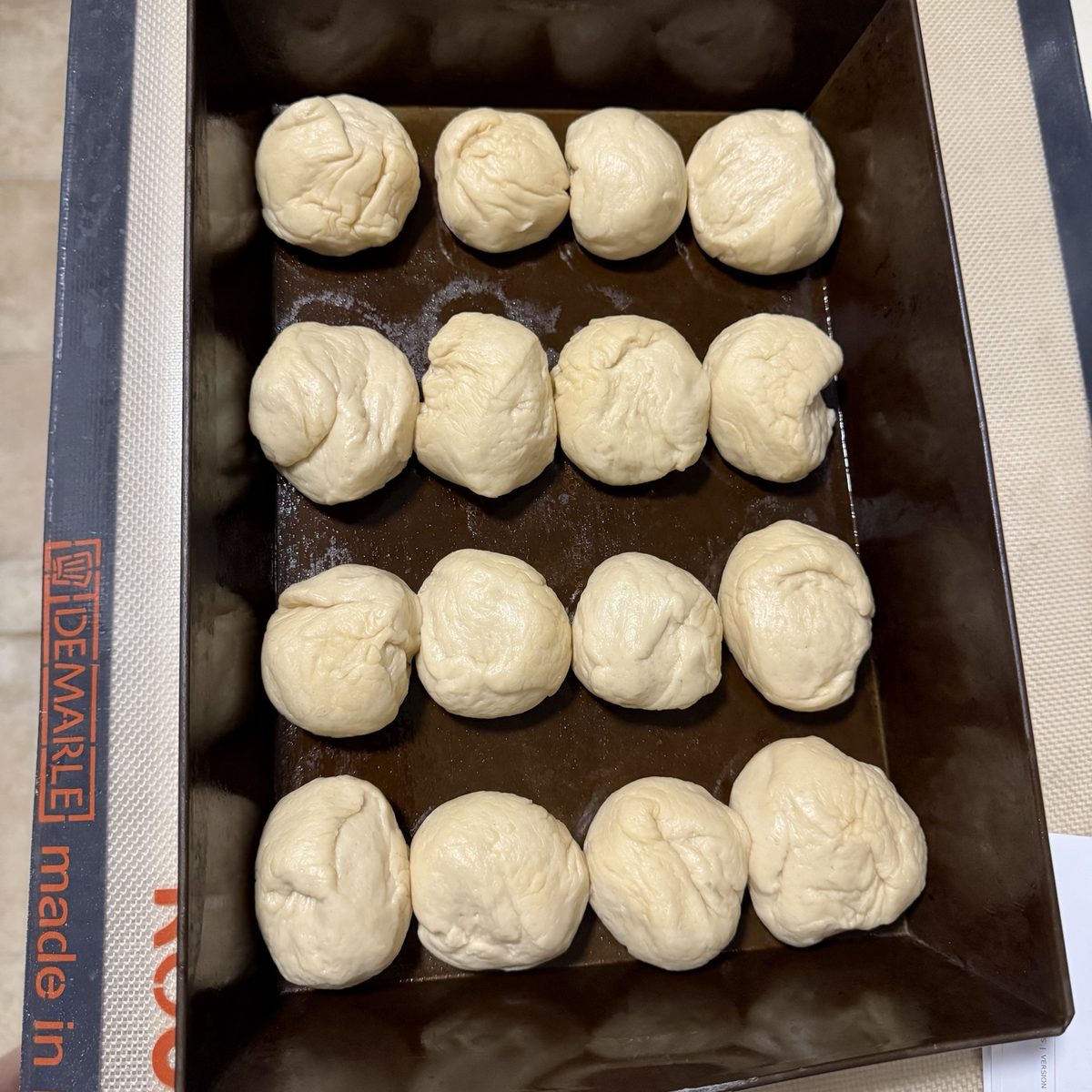
- Divide the dough into 16 equal portions.
- Tuck the edges of each portion underneath and round into a ball.
- Arrange seam-side down in four rows of four.
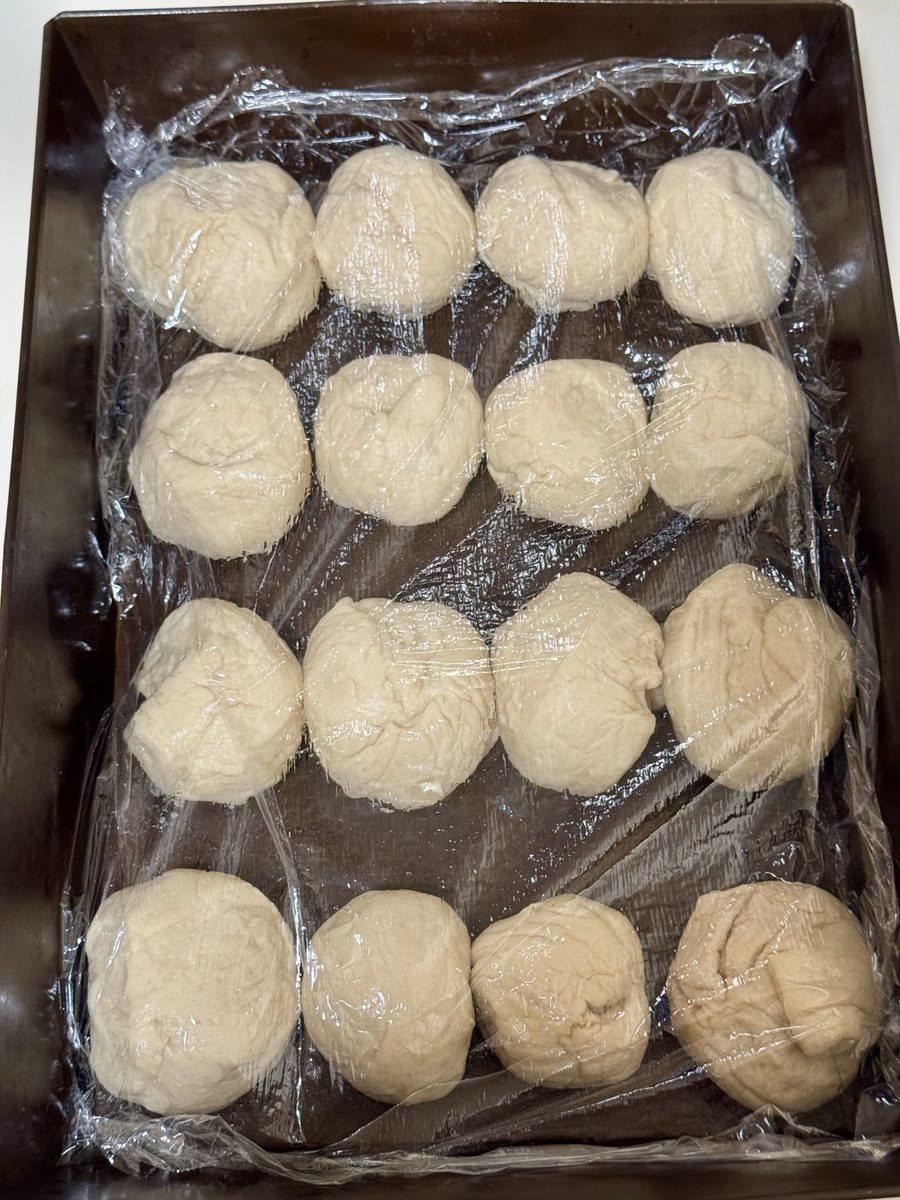
- Cover and refrigerate immediately at 35–40°F for approximately 13 hours.
Day two · Proof and bake
Allow enough time for the final rise
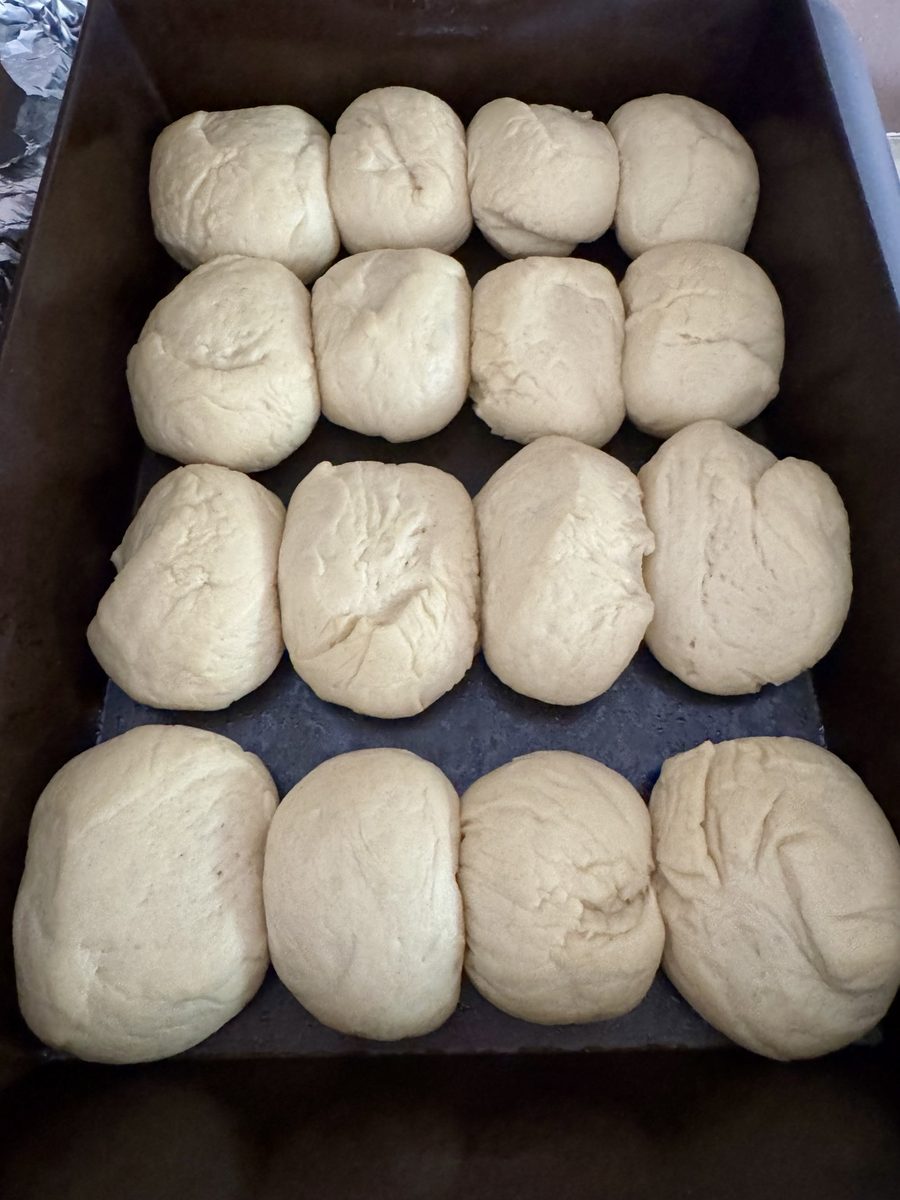
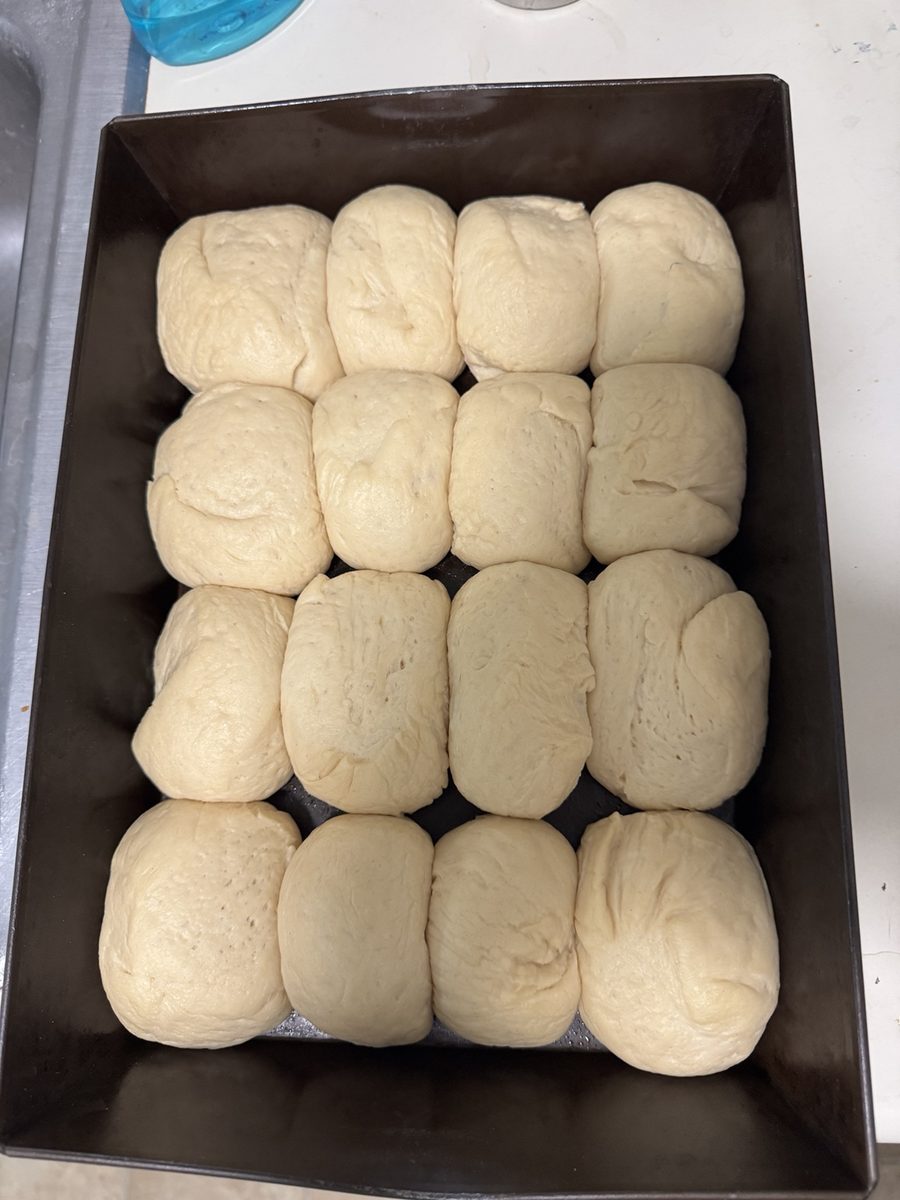
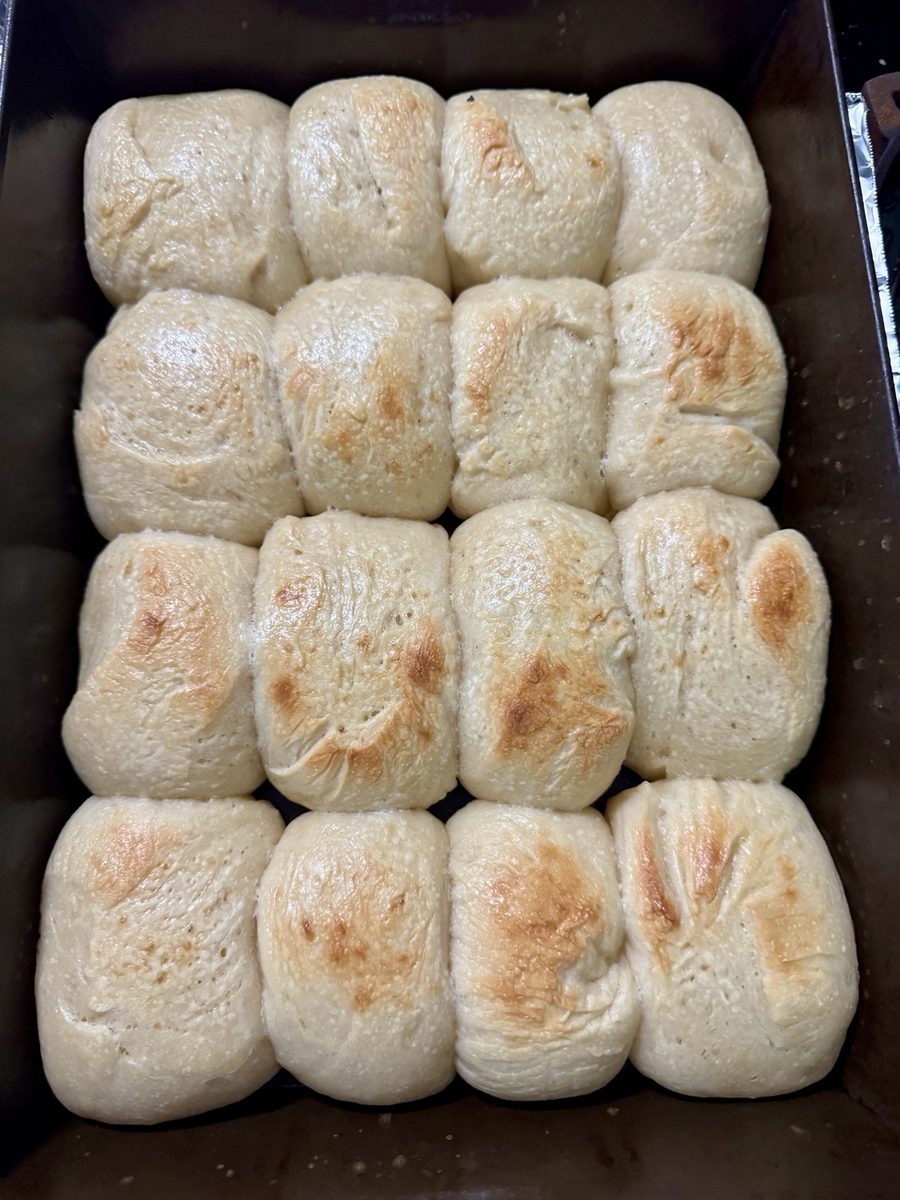
Allow approximately five hours at 90°F for refrigerated rolls to warm and rise. Cold, butter-rich dough takes time to warm. Use the photographs below as a visual guide to the final proof.
7Finish proofing
- Remove the covered pan from the refrigerator.
- Allow approximately 5 hours at 90°F for the rolls to warm and rise. Keep covered.
- Check after 3 hours and again after 4 hours.
- Bake when the rolls are very puffy and touching their neighbors. A gentle indentation should slowly spring back partway.
8Apply egg wash and bake
Egg wash
- 1 large whole egg
- 1 tablespoon whole milk
- Remove the pan from the proofing oven and uncover.
- Preheat the oven to 350°F. For the Ooni Volt 2, select Oven mode and use the normal low pan position.
- Beat the egg and milk together.
- Brush a thin coat over the tops of the rolls. Avoid letting it run down the sides.
- Bake at 350°F. Rotate the pan 180° after 10 minutes.
- Check after 15 minutes, then every 2–3 minutes until golden and baked through (about 20–25 minutes total).
- If browning too quickly, reduce the temperature to 325°F. An internal temperature near 190°F is a useful doneness benchmark.
The signature finish
Maple-almond butter
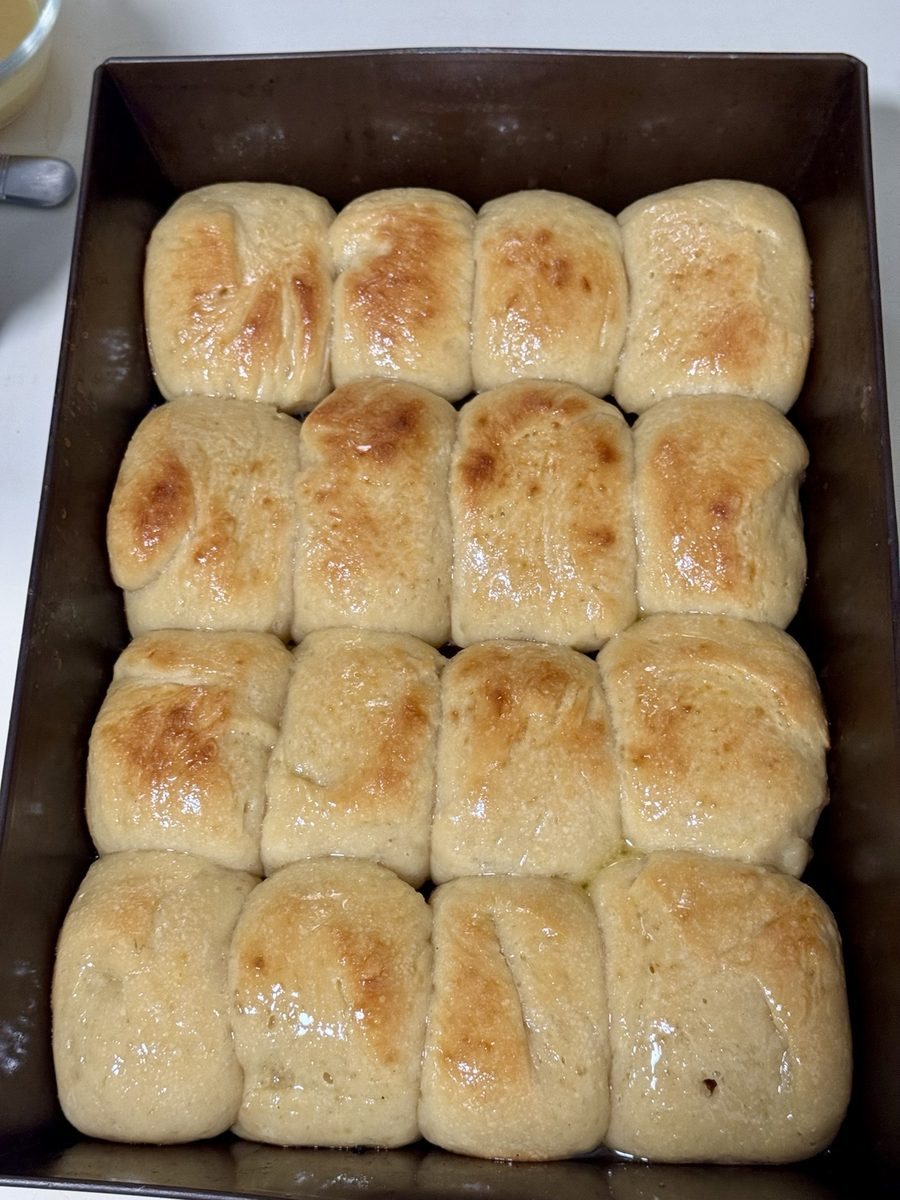
9Brush the warm rolls
- 4 tablespoons unsalted butter
- 2 teaspoons pure maple syrup
- ½ teaspoon almond extract
- Melt the butter gently and remove from the heat.
- Stir in the maple syrup and almond extract.
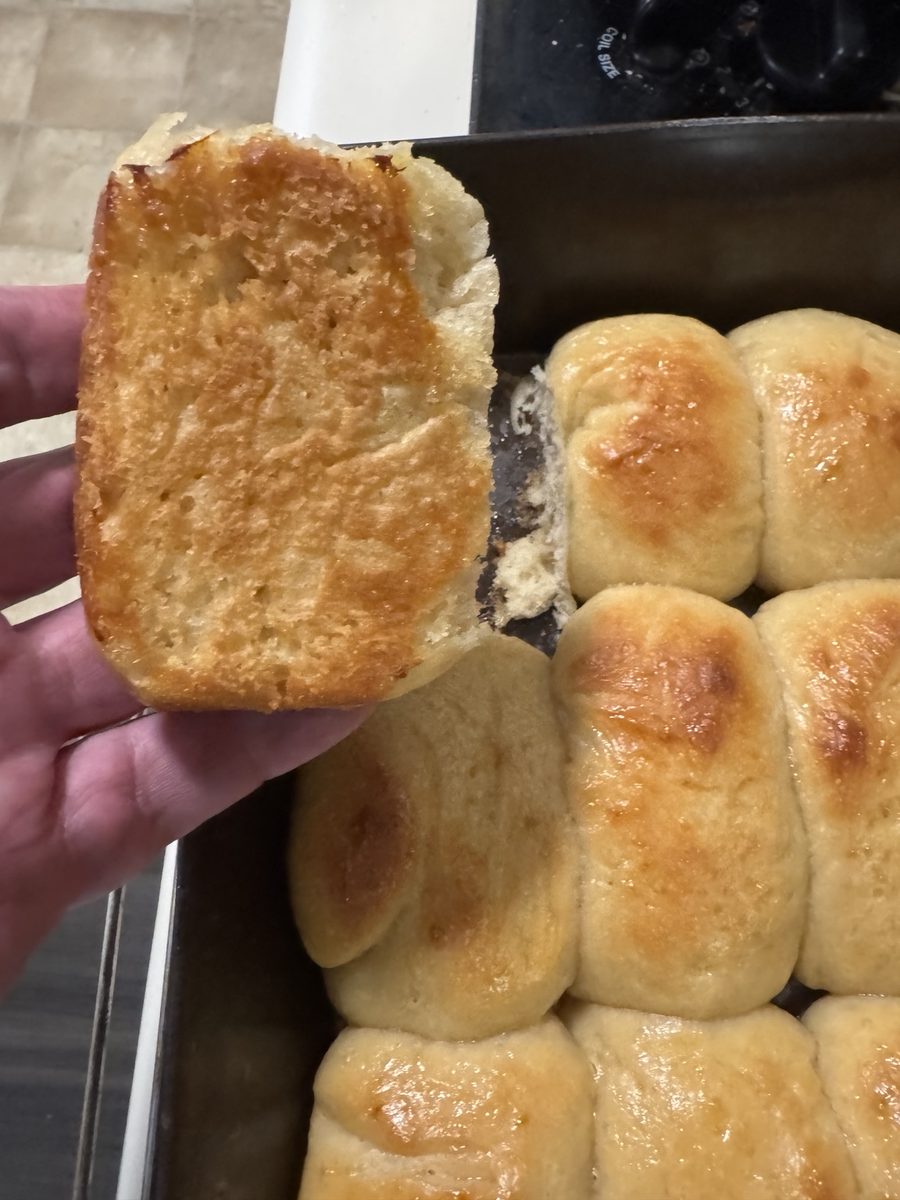
- Stir again just before brushing a thin coating over all 16 warm rolls.
- Let the rolls rest briefly, then lift out using the parchment and transfer to a wire rack.
Cooling, storing and reheating
Cool on a wire rack until the rolls are no longer steaming, then cover to retain moisture. For serving the same day, keep at room temperature. If you want them warm, reheat covered at about 300°F for 5–7 minutes. Avoid sealing them while steaming, which can soften the crust.
Contains wheat, dairy and eggs. Check your almond extract ingredients and inform anyone with an almond allergy.
Troubleshooting
Use these tips to adjust dough consistency, manage proofing and achieve even browning.
| What you notice | What to try |
|---|---|
| Slow or inadequate rise | Use the full instant-yeast quantity and check dough temperature. Allow more time rather than relying on the clock alone. |
| Dough feels dry | Add reserved water a teaspoon at a time after the flour has hydrated. |
| Dough is too wet | Give the butter time to incorporate, then add reserved potato flour in small amounts if needed. |
| Rolls stick to the pan | Use lightly oiled parchment and apply a thin egg wash to the tops only. Avoid allowing egg wash to run down the sides. |
| Uneven browning | Rotate the pan at ten minutes and check frequently near the end of baking. |
| Too little sourdough flavor | Use a ripe, active sourdough starter and allow the full overnight fermentation. |
Two-day preparation schedule
| Time to allow | Activity |
|---|---|
| Day 1 · 4 hours | Feed the starter and allow fermentation, including the full 90-minute Dough cycle if using a bread machine. |
| During starter fermentation | Make the tangzhong, cool it and soften the butter. |
| Day 1 · approximately 4 hours total | Mix the main dough, knead, incorporate butter and complete the first rise. |
| Overnight · about 13 hours | Prepare the pan, shape the rolls, cover and refrigerate overnight. |
| Day 2 · about 5 hours | Allow refrigerated rolls to warm and proof at 90°F. Check progress after three and four hours, then continue until ready to bake. |
| About 20–25 minutes baking | Preheat to 350°F, apply egg wash, bake, rotate and check doneness. |
| After baking | Brush with maple-almond butter, cool and serve. |
Prefer a printable recipe?
View the complete illustrated recipe in our online flipbook for easy reading and printing.
View & Print Recipe Book